The People Who Live On What We Build
When the trucks pull off site, somebody moves in within days. What a floor is actually for — from a contractor who's thought about it for a long time.
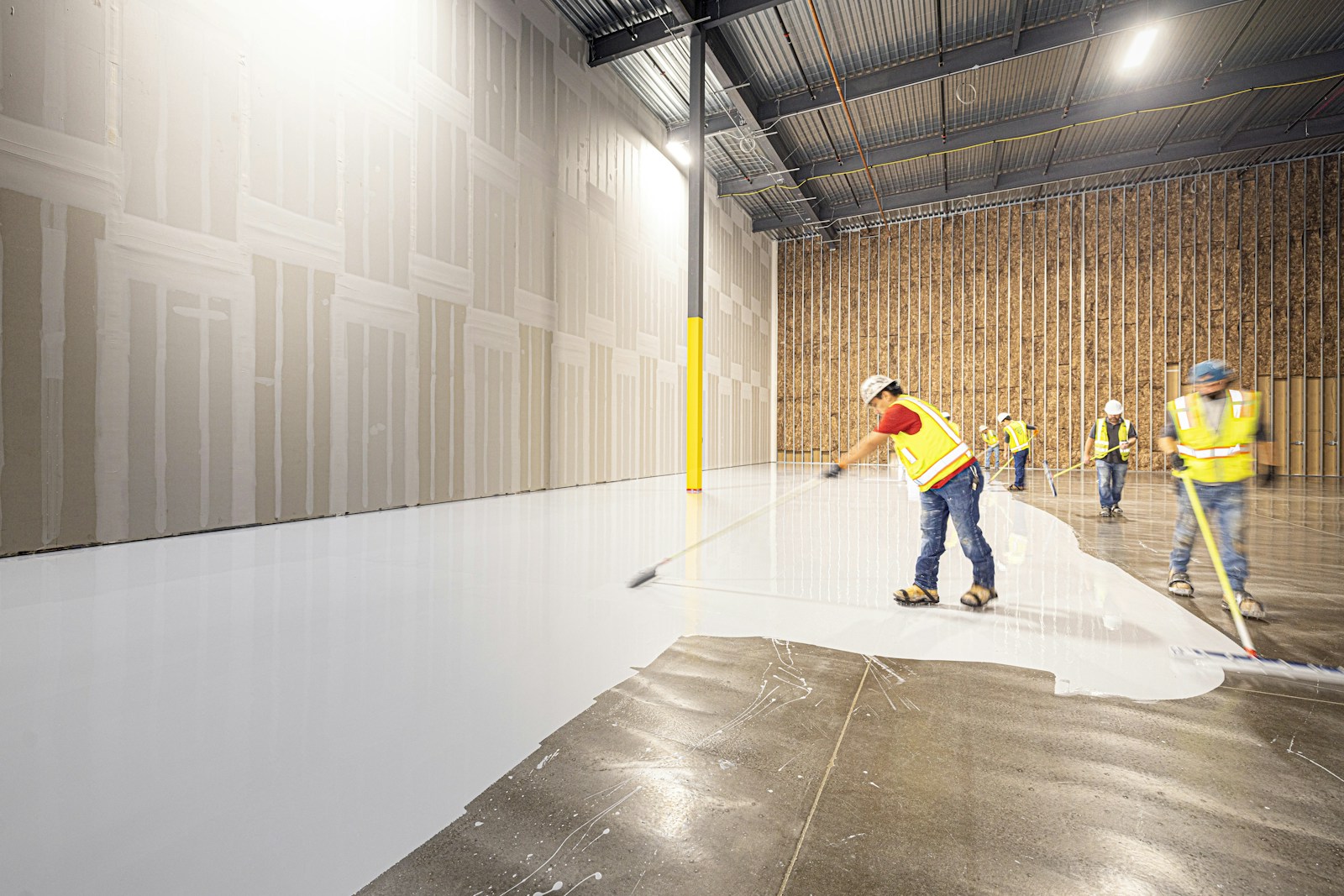
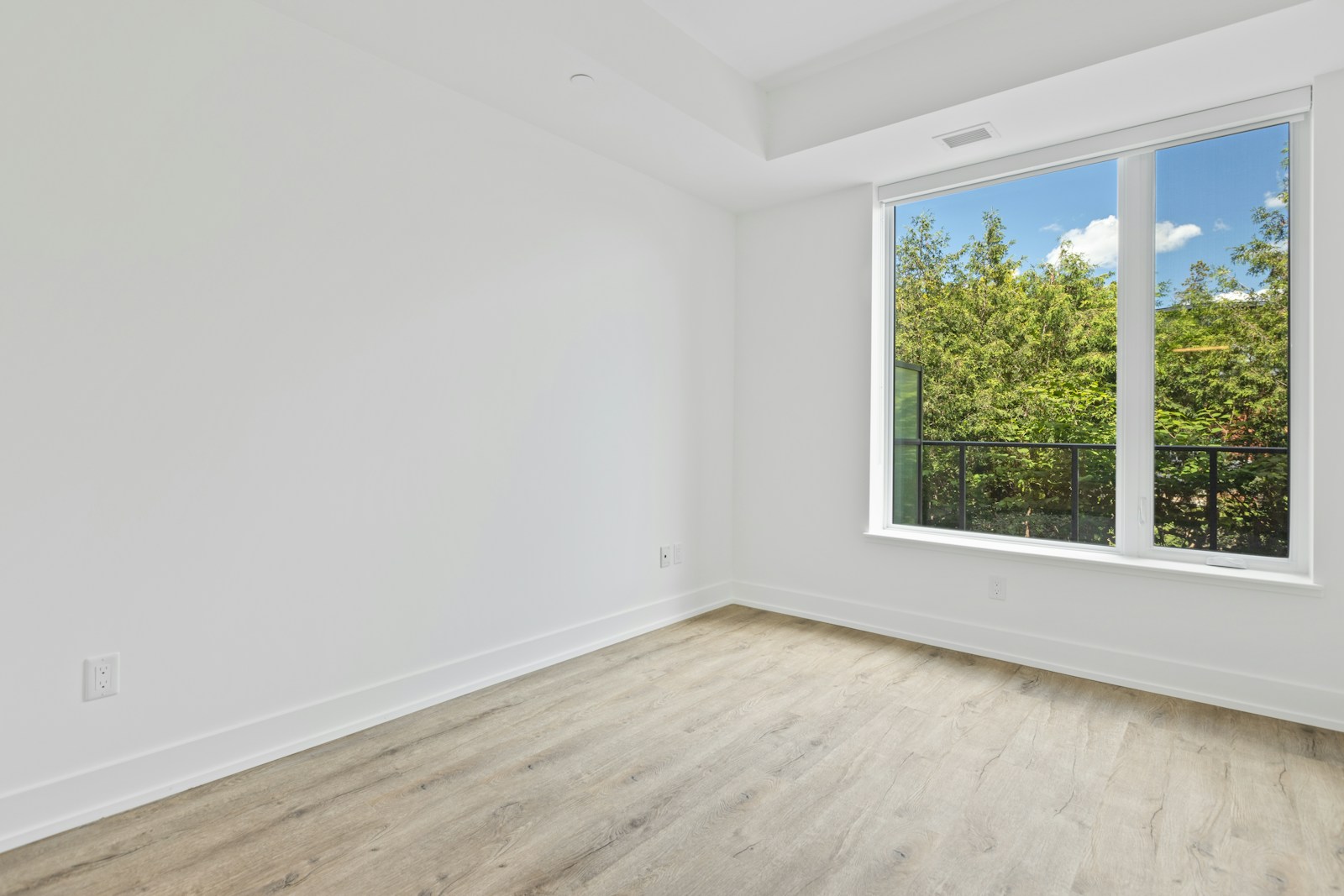
When we finish a job and pull the trucks off site, somebody moves in within days. They set down a couch. A kid runs through the living room in socks. Somebody stands at the kitchen counter at six in the morning trying to wake up before work. That's what a floor is for. Not the bid sheet. Not the schedule. The everyday life that happens on top of it after we're gone.
I've been doing multifamily flooring across the US for a long time, and the longer I do it, the more that part of the job sits with me. The sounds of babies and puppies and toys clattering on the floors we installed.
What We're Actually Building
A general contractor hands us a set of plans and a schedule. From the outside, multifamily looks like buildings. Stacks of units, one floor on top of another. But every one of those units becomes somebody's home. A young couple's first apartment. A grandmother moving closer to family. A nurse coming off a twelve-hour shift who just wants to get her shoes off, sit down with a refreshment and her favorite tunes softly playing.
They will never meet us. They won't know which crew laid their floor or who ran the moisture test or who walked the punch list on a Friday afternoon when everyone else had gone home. That's how it should be. The work disappears into the lives that make it a home. But we know. And that's enough to keep us honest on the parts nobody sees.
Craftsmanship Is a Quiet Thing
Good flooring work doesn't announce itself. Poor workmanship becomes noticeable, lifted seams, gaps at the threshold, a hollow spot under a step. Good work? Good work is different, it's unnoticed, it's silent, it's unimportantly important. You just live on it. It holds up. It stays flat. It does what it's supposed to do for years.
That's the kind of work we try to leave behind. Substrate prepped right. Materials acclimated. Transitions clean. Nothing rushed at the end to make a date. We don't need anyone watching over our shoulder to make us do it that way. The job is ours. We own it.
People ask me sometimes if I take it personally when somebody scuffs up a floor we just put in. I tell them no. These are Texas floors. A popular Texas slogan is, "Don't tread on me." Our floors say, "Come tread on me," go ahead, that's what I'm here for.
The Trust Part
The thing I think about most is that the people who'll live on these floors didn't pick us. They didn't see our bid. They trusted the builder, who trusted us. That's a chain of commitment, and we're one of the links in it. If we drop the ball, somebody six months down the road is calling about a problem in their home that they shouldn't have to deal with.
So we try to do it right the first time. Not because we're being checked on. Because we know who's coming next, and because the work has our name on it. It's not about doing "just enough", it's about being the preferred trade partner that even the tenant depends on.
Why This Work Matters to Us
Floors are foundations in a literal sense, but they're also the surface real life happens on. Kids learn to walk. People dance in their kitchens. Somebody sits on the floor and cries on a hard day. We don't get to be part of any of that. We just get to make sure the surface holds up underneath it.
That's the job. Nobody has to remind us to take it seriously. We just do.
Owner & President. Leads overall strategy, operations, sales, financial oversight, personnel, and subcontractor management.